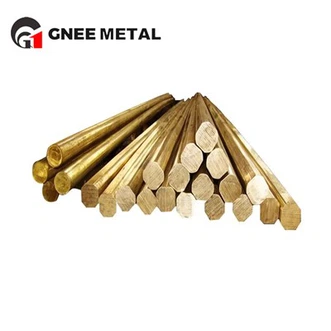
অক্সিজেন-মুক্ত তামার সারি হল তামা যাতে অক্সিজেন বা অবশিষ্ট ডিঅক্সিডাইজার থাকে না, তাই এটি বাসবার, পরিবাহী স্ট্রিপ এবং ভ্যাকুয়াম উপাদানগুলির জন্য নির্বাচিত হয় যেখানে পরিবাহিতা এবং হাইড্রোজেন ক্ষয় থেকে মুক্তি নির্ধারণ করে যে একটি অংশ তার পরিষেবা জীবন টিকে থাকবে কিনা। উপাদানটি প্রধানত TU1 এবং TU2 গ্রেডে সরবরাহ করা হয় এবং ধাতু থেকে অক্সিজেনকে দূরে রাখার জন্য গলন অনুশীলন এবং ডাউনস্ট্রিম গঠনের রুট উভয়কেই শক্তভাবে নিয়ন্ত্রণ করতে হবে।
অক্সিজেন-মুক্ত কপার কি
অক্সিজেন-মুক্ত তামাতে অক্সিজেন বা কোনো ডিঅক্সিডাইজার অবশিষ্টাংশ থাকে না। গ্রেডটি উচ্চ বৈদ্যুতিক পরিবাহিতা, ভাল প্রক্রিয়াকরণ কর্মক্ষমতা, ঢালাইযোগ্যতা, ক্ষয় প্রতিরোধ ক্ষমতা এবং নিম্ন-তাপমাত্রার কার্যকারিতা প্রদান করে এবং এটি হাইড্রোজেন ক্ষয় থেকে মুক্ত, একটি ব্যর্থতার মোড যেখানে একটি হাইড্রোজেন বহনকারী বায়ুমণ্ডলে অ্যানিলিং করার সময় শস্যের সীমানায় বাষ্প তৈরি হয়- এবং ধাতব ফাটল। যেহেতু তামার সামগ্রী এবং উপাদানের গুণমান উভয়ের উপরই প্রয়োজনীয়তা রাখা হয়েছে, তাই অক্সিজেন-মুক্ত তামাকে দুটি স্তরে বিভক্ত করা হয়েছে, TU1 এবং TU2, চাইনিজ তামার মান GB/T 5231-এ।
| গ্রেড | কপার সামগ্রী | অক্সিজেন স্তর | পজিশনিং |
|---|---|---|---|
| TU1 | 99.97% এর চেয়ে বড় বা সমান | অত্যন্ত নিচু | সর্বোচ্চ পরিবাহিতা এবং পরিচ্ছন্নতা, প্রিমিয়াম খরচ |
| TU2 | 99.95% এর চেয়ে বড় বা সমান | খুব কম | কম খরচে সাধারণ অক্সিজেন-মুক্ত শুল্ক |
যেখানে পণ্যটি একটি বাসবার বা একটি ভারী পরিবাহী বিভাগ, সেখানে সারিটি তামার বাসবারের স্পেসিফিকেশন যেমন ASTM B187/B187M, যখন স্ট্রিপ এবং প্লেট ফর্মগুলি ASTM B152 অনুসরণ করে।
গন্ধ এবং ঢালাই প্রক্রিয়া
অক্সিজেন-মুক্ত তামা প্রধানত পাওয়ার-ফ্রিকোয়েন্সি কোরড ইন্ডাকশন ফার্নেসগুলিতে গলে যায়। গলে যাওয়ার গুণমানের গ্যারান্টি দিতে, চার্জকে কঠোর শর্ত পূরণ করতে হবে: কাঁচামাল হতে হবে ইলেক্ট্রোলাইটিক কপার যাতে 0.003% এর নিচে দস্তা সহ 99.97% Cu এর বেশি থাকে। গলানোর সময়, গ্যাসের প্রতিটি উত্স হ্রাস করার দিকে মনোযোগ দিতে হবে, এবং ক্যালসাইন্ড কাঠকয়লা স্নানের উপর আবরণ স্তর হিসাবে ব্যবহৃত হয়; ফসফরাসের ট্রেস পরিমাণও ডিঅক্সিডাইজার হিসাবে যোগ করা যেতে পারে যেখানে স্পেসিফিকেশন এটির অনুমতি দেয়। 1150-1180 ডিগ্রী ঢালাই তাপমাত্রা সহ, নাইট্রোজেন সুরক্ষার অধীনে বা একটি কভারিং এজেন্টের অধীনে একটি আধা-নিরবিচ্ছিন্ন ঢালাই প্রক্রিয়ার মাধ্যমে ইনগটগুলিকে ঢালাই করা হয়। সেই পরিসরের উপরের সীমার নীচে স্নান ধরে রাখলে গ্যাস তোলা-সীমিত হয়, যখন আধা-একটানা পথ অক্সিজেন-মুক্ত মূল শব্দ রাখার জন্য প্রয়োজনীয় দিকনির্দেশক দৃঢ়ীকরণ দেয়৷
চুল্লির ধরন: পাওয়ার-ফ্রিকোয়েন্সি কোরড ইন্ডাকশন ফার্নেস।
চার্জ গুণমান: ইলেক্ট্রোলাইটিক কপার 99.97% Cu এর উপরে, জিঙ্ক 0.003% এর নিচে।
গলানো সুরক্ষা: ক্যালসাইন্ড চারকোল কভার, কম গ্যাস পিক-আপ, ঐচ্ছিক ট্রেস ফসফরাস।
ঢালাই: আধা-নাইট্রোজেনের অধীনে ক্রমাগত, 1150–1180 ডিগ্রি।
ছাঁচনির্মাণ কর্মক্ষমতা
অক্সিজেন-মুক্ত তামার চমৎকার ঠান্ডা এবং গরম কাজের বৈশিষ্ট্য রয়েছে। এটি প্রসারিত, ঘূর্ণিত, বহিষ্কৃত, বাঁকানো, খোঁচা, শিয়ার করা, কাতানো, বিপর্যস্ত, নকল, থ্রেডেড, নর্ল্ড এবং ক্ষত হতে পারে এবং এর ফোরজিবিলিটি সাধারণ তামার উপকরণগুলির মধ্যে সর্বোত্তম, যা নকল পিতলের প্রায় 65% পর্যন্ত পৌঁছায়। হট প্রসেসিং 800-900 ডিগ্রী রেঞ্জে করা হয়, যেখানে উপাদানটি সবচেয়ে নরম এবং সহজেই পুনঃক্রিস্টালাইজ হয়। যেহেতু ঠাণ্ডা কাজের পরে গ্রেডটি নমনীয় থাকে, তাই অক্সিজেন-মুক্ত তামার সারিটি অনেক ক্ষেত্রে মধ্যবর্তী অ্যানিল ছাড়াই সমাপ্ত বাসবার জ্যামিতিতে বাঁকানো এবং পাঞ্চ করা যেতে পারে।
ঢালাই, কাটিং এবং নাকাল কর্মক্ষমতা
অক্সিজেন-মুক্ত তামা ফিউশন ওয়েল্ড, নরম সোল্ডার এবং ব্রেজ করা সহজ, এবং এটি গ্যাস টাংস্টেন আর্ক ওয়েল্ডিং এবং গ্যাস মেটাল আর্ক ওয়েল্ডিং এর পাশাপাশি অক্সিজেন-জ্বালানি গ্যাস ঢালাইয়ে ভাল কাজ করে। শিল্ডেড মেটাল আর্ক ওয়েল্ডিং এবং বেশিরভাগ রেজিস্ট্যান্স ওয়েল্ডিং পদ্ধতি বাঞ্ছনীয় নয়, কারণ আর্ক বা কন্টাক্ট রেজিস্ট্যান্স বিকল্পগুলির চেয়ে আরও সহজে ত্রুটির পরিচয় দেয়। মেশিনিং-এ, গ্রেডটি একটি বিনামূল্যের-কাটিং উপাদান নয়: এর মেশিনিবিলিটি ফ্রি-কাটিং ব্রাস গ্রেড HPb63-3-এর প্রায় 20%, তাই কাটার গতি, ফিড এবং টুল জ্যামিতিকে সেই অনুযায়ী সেট করতে হবে এবং আঠালো পরিধানের পরিবর্তে ঘষিয়া তুলিয়া ফেলতে হবে টুল লাইফকে প্রাধান্য দেয়।
অক্সিজেনের প্রধান ব্যবহার-বিনামূল্যে কপার
অক্সিজেন-মুক্ত তামার উচ্চ বিশুদ্ধতা, চমৎকার বৈদ্যুতিক এবং তাপ পরিবাহিতা, উত্তপ্ত কাজ করার আচরণ এবং শব্দ ঢালাই কার্যক্ষমতা রয়েছে এবং এটি হাইড্রোজেন রোগ দেখায় না বা খুব কম। এটি প্রধানত বৈদ্যুতিক ভ্যাকুয়াম ইন্সট্রুমেন্টেশন অংশগুলির জন্য ব্যবহৃত হয় এবং বাসবার, পরিবাহী স্ট্রিপ, ওয়েভগাইড, সমাক্ষ তারের, ভ্যাকুয়াম সিল, ভ্যাকুয়াম টিউব এবং ট্রানজিস্টর উপাদানগুলিতে ব্যাপকভাবে ব্যবহৃত হয়।
পাওয়ার এবং সুইচগিয়ার: বাসবার, পরিবাহী স্ট্রিপ এবং সংযোগ যেখানে প্রতিরোধী ক্ষতি কম থাকতে হবে।
ভ্যাকুয়াম এবং ইলেকট্রনিক্স: ভ্যাকুয়াম সিল, ভ্যাকুয়াম টিউব, ট্রানজিস্টর উপাদান এবং উপকরণ অংশ।
উচ্চ-ফ্রিকোয়েন্সি ট্রান্সমিশন: ওয়েভগাইড এবং সমাক্ষ তারের কন্ডাক্টর।
তাপীয় শুল্ক: তাপ সিঙ্ক এবং উপাদান যেখানে তাপ পরিবাহিতা বৈদ্যুতিক পরিবাহিতা হিসাবে গুরুত্বপূর্ণ।
পরিষেবার মান নিয়ন্ত্রণ পয়েন্ট
যেহেতু উপাদানটির মূল্য এর পরিচ্ছন্নতার মধ্যে রয়েছে, তাই কিছু বৈশিষ্ট্য সবসময় মিল সার্টিফিকেট বা পরীক্ষার মাধ্যমে নিশ্চিত করা উচিত: সর্বনিম্ন গ্রেডের উপরে তামার উপাদান, গ্রেডের জন্য প্রয়োজনীয় নিম্ন স্তরে অক্সিজেন সামগ্রী, বৈদ্যুতিক পরিবাহিতা এবং পৃষ্ঠের ত্রুটি যেমন ল্যাপ, অন্তর্ভুক্তি এবং অক্সাইড প্যাচ থেকে মুক্তি। হাইড্রোজেন আবরণ প্রতিরোধ সাধারণত হাইড্রোজেন বায়ুমণ্ডলে একটি অ্যানিলিং পরীক্ষার মাধ্যমে প্রদর্শিত হয়, যেখানে একটি শব্দ অক্সিজেন{1}}মুক্ত নমুনা ফাটল ছাড়াই বাঁকে। বাঁকানো, চ্যাপ্টা করা এবং দানা- আকারের চেক তারপর নিশ্চিত করে যে সারিটি সমানভাবে অ্যানিল করা হয়েছে এবং প্রেস ব্রেকে অনুমানযোগ্যভাবে তৈরি হবে।
প্রায়শই জিজ্ঞাসিত প্রশ্নাবলী
প্রশ্ন: অক্সিজেন-মুক্ত তামার সারি কীসের জন্য ব্যবহার করা হয়?
এটি বাসবার, পরিবাহী স্ট্রিপ, ওয়েভগাইড, সমাক্ষ তার, ভ্যাকুয়াম সিল, ভ্যাকুয়াম টিউব এবং ট্রানজিস্টর উপাদান এবং বৈদ্যুতিক ভ্যাকুয়াম ইন্সট্রুমেন্টেশন অংশগুলির জন্য ব্যবহৃত হয় যেখানে কম প্রতিরোধ ক্ষমতা এবং পরিচ্ছন্নতা গুরুত্বপূর্ণ।
প্রশ্ন: TU1 এবং TU2 এর মধ্যে পার্থক্য কী?
উভয়ই অক্সিজেন-মুক্ত গ্রেড, কিন্তু TU1-তে তামার পরিমাণ বেশি এবং সর্বনিম্ন অক্সিজেন এবং অপরিচ্ছন্নতা স্তর রয়েছে, যা সর্বোত্তম পরিবাহিতা এবং সর্বোচ্চ খরচ দেয়, যেখানে TU2 সাধারণ অক্সিজেন-মুক্ত শুল্ক আরও অর্থনৈতিকভাবে কভার করে৷
প্রশ্ন: ঢালাই তাপমাত্রা এত গুরুত্বপূর্ণ কেন?
নাইট্রোজেন সুরক্ষার অধীনে 1150-1180 ডিগ্রীতে আধা-নিরবিচ্ছিন্ন ঢালাই গ্যাস তোলাকে সীমিত করে-এবং দিকনির্দেশক দৃঢ়ীকরণকে উন্নীত করে, তাই ইনগটটি তার অক্সিজেন-মুক্ত কোর রাখে এবং পরে ঠান্ডা কাজ ত্রুটিমুক্ত থাকে।
প্রশ্ন: কোন ঢালাই প্রক্রিয়াগুলি অক্সিজেন{0}}মুক্ত তামাকে উপযুক্ত করে?
ফিউশন ওয়েল্ডিং, সফট সোল্ডারিং, ব্রেজিং, গ্যাস টাংস্টেন আর্ক ওয়েল্ডিং, গ্যাস মেটাল আর্ক ওয়েল্ডিং এবং অক্সিজেন-ফুয়েল গ্যাস ওয়েল্ডিং সবই ভালো কাজ করে; ঢালাই ধাতু চাপ ঢালাই এবং সবচেয়ে প্রতিরোধের ঢালাই পদ্ধতি সুপারিশ করা হয় না.
প্রশ্ন: অক্সিজেন-মুক্ত তামা কতটা যন্ত্রযোগ্য?
এটির মেশিনিবিলিটি ফ্রি-কাটিং ব্রাস গ্রেড HPb63-3 এর প্রায় 20%, তাই এটি কঠিন-কাটা-গ্রুপের অন্তর্গত এবং এর জন্য কম গতি, নিয়ন্ত্রিত ফিড এবং ভাল-সমর্থিত টুলিং প্রয়োজন।
প্রশ্ন: অক্সিজেন-মুক্ত তামার সাথে হাইড্রোজেন ক্ষয়-এর কী সম্পর্ক?
হাইড্রোজেন ক্ষরণ ঘটে যখন উচ্চ তাপমাত্রা প্রক্রিয়াকরণের সময় ধাতুর অক্সিজেন হাইড্রোজেনের সাথে বিক্রিয়া করে এবং শস্যের সীমানায় বাষ্প তৈরি করে। তামার বাইরে অক্সিজেন রাখা ব্যর্থতা প্রক্রিয়াকে সরিয়ে দেয়, যে কারণে গ্রেডটি হাইড্রোজেন সহ্য করে- অ্যানিলিং বায়ুমণ্ডলকে।